Knowledge and practice of hand hygiene among healthcare workers in a selected hospital
Keywords:
Knowledge, Practice, Hand Hygiene, Healthcare Workers, Selected Hospital.Abstract
Introduction: Hand hygiene (HH) denotes to washing hands with soap and water, or other cleansers containing an antiseptic agent to reduce or prevent the growth of microorganisms.
Aims: The aim of the study was to assess the knowledge and practice of hand hygiene among healthcare workers in Sir Yahaya Memorial Hospital Birnin-Kebbi.
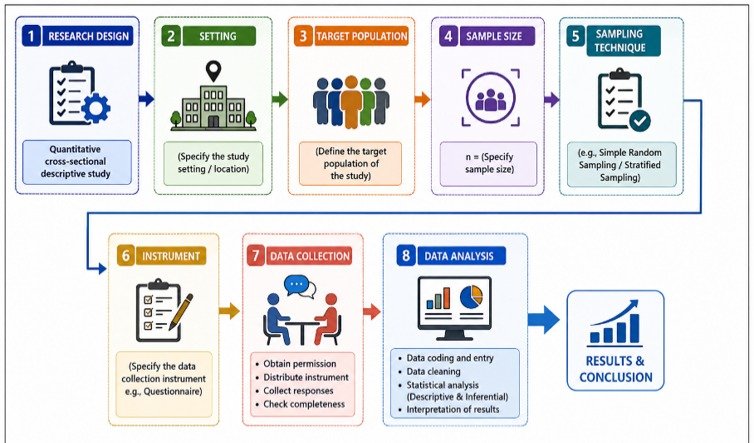
Materials and methods: The research design used for the study was descriptive survey design. Purposive sampling technique was used to select 60 healthcare workers. Data was collected using structured questionnaire. The collected data were tabulated in Excel and transported to IBM SPSS version 20.0.
Results: The study result showed that, 16.7% of respondents are categorized as having "Poor Knowledge" with scores of 40% or less. s26.7% fall into the “Average Knowledge” category, which includes scores ranging from 50% to 60%. The majority of respondents, accounting for 56.7%, demonstrate “Good Knowledge” with scores in the range of 70% to 100%. This data provides insights into the distribution of knowledge levels within the surveyed group, with most respondents exhibiting good knowledge, while a smaller proportion falls into the average and poor knowledge categories. Therefore, the H0:1 Hypothesis was rejected, while H1:1 Hypothesis was accepted. The result revealed that 3.3% of respondents’ exhibit "Negative Practice," falling within the score range of 0-3. The majority, accounting for 96.7% of respondents, demonstrate "Positive Practice," with scores ranging from 4-7. This data classifies respondents into two practice levels, with most displaying positive practice and only a small proportion showing negative practice. It offers insights into the distribution of practice levels within the surveyed group. Hence the H1:2 Hypothesis was accepted, while H0:2 Hypothesis is rejected.
Conclusion: There was statistically significant association between their level of knowledge regarding hand hygiene with their selected socio-demographic variables (profession, educational qualification, and years of experience).
Published
How to Cite
Issue
Section
Copyright (c) 2026 Sulaiman Umar, Zakari Usman, Yahuza Garba, Samaila Abba, Babangida Abubakar

This work is licensed under a Creative Commons Attribution 4.0 International License.